


The Ceiling on Your ADR Might Be Your Website
Most ADR challenges are treated as pricing problems. The rate is adjusted, the channel mix is reviewed, the demand pattern is analysed. What rarely gets examined is the perception layer that sets the ceiling before any of that work begins. For boutique hotels, that layer is almost always the website.
Before a guest reaches the booking engine, before they look at room types or availability, they have already developed a sense of what your hotel should cost. That judgement is not calculated. It is inferred. It comes from the overall impression of the property as it is experienced online.
That perception is shaped across multiple touchpoints. Social media can build aspiration. OTAs can provide reassurance. But neither fully controls the narrative. The website is the only environment where the hotel defines the experience on its own terms. It is where the story is either confirmed, or reset entirely.
For boutique hotels in particular, this matters more. They are not competing with standardised inventory. They are often competing with highly developed brands, backed by significant PR, editorial coverage, and years of carefully constructed positioning. That level of perception is not accidental. It is built.
Independent boutique hotels do not have that infrastructure behind them. The website becomes the most controlled and complete expression of the brand. When it works, it reinforces and elevates everything the guest has seen elsewhere. When it does not, it introduces doubt, even if other channels have already done the work of building interest.
When that doubt arrives, it does not show up as a rejected booking. It does not show up at all. It is a potential guest who compares more, hesitates longer, and quietly chooses a hotel that presents more convincingly. The rate may hold. It just holds somewhere else.
What Guests Actually Do Before They Book
The path from discovery to booking is rarely linear, but it follows a consistent pattern. A guest encounters a hotel through search, social media, recommendations, or an OTA listing. At that stage, the interaction is light. Images are scanned, reviews are skimmed, and a shortlist begins to form. The website is where that shortlist is tested.
It is the first point at which the guest slows down and evaluates the hotel on its own terms. Not in comparison grids or ranked lists, but as a complete experience. This is where initial interest either consolidates into intent or starts to break down.
For boutique hotels, this stage carries more weight than it does for established brands. A recognised brand arrives with pre-built trust and familiarity. Independent properties do not. The website is where that trust is either established or lost.
There is also a structural imbalance that many hotels overlook. Significant effort is often placed on social media, where the objective is to inspire. High-quality imagery, strong visual identity, and considered content build expectation over time. But when that expectation leads to the website, the experience may not match. The tone shifts. The visuals weaken. The narrative disappears.
The guest does not consciously analyse this disconnect, but they register it. The hotel that felt considered and high-value on social suddenly feels less defined. The perception adjusts, not dramatically, but enough to influence how the rate will be judged moments later.
OTAs play a different role in this journey. They provide structure, comparison, and reassurance through reviews and consistency. But they do not build perception. They standardise it. Every hotel is presented within the same frame, which naturally pushes the guest toward comparison rather than commitment.
The website is the only place where that pattern can be broken.
If the experience holds together, if the story is consistent and the visuals support it, the guest moves forward with confidence. The evaluation shifts from “is this better than the alternatives?” to “does this feel right for me?” That shift is where pricing power begins.
What “Looks Cheap” Actually Means in Practice
When a website feels cheap, it is rarely because of one obvious flaw. It is the result of small signals that do not align. Individually, they may seem minor. Collectively, they shape how the entire property is perceived. Cheap here does not mean low price. It means low perceived value relative to what is being asked.
This is where many hotels misjudge the problem. The issue is not whether the website is “nice” or “modern.” It is whether it supports the level of pricing the hotel is trying to achieve.
Photography is usually the first point of failure. Not necessarily because it is bad, but because it is generic, inconsistent, or overly processed. Images that could belong to any hotel do not build value. Over-edited visuals or AI-generated content can be even more damaging. They may look polished, but they introduce a subtle sense that something is not quite real. In hospitality, that uncertainty reduces trust quickly.
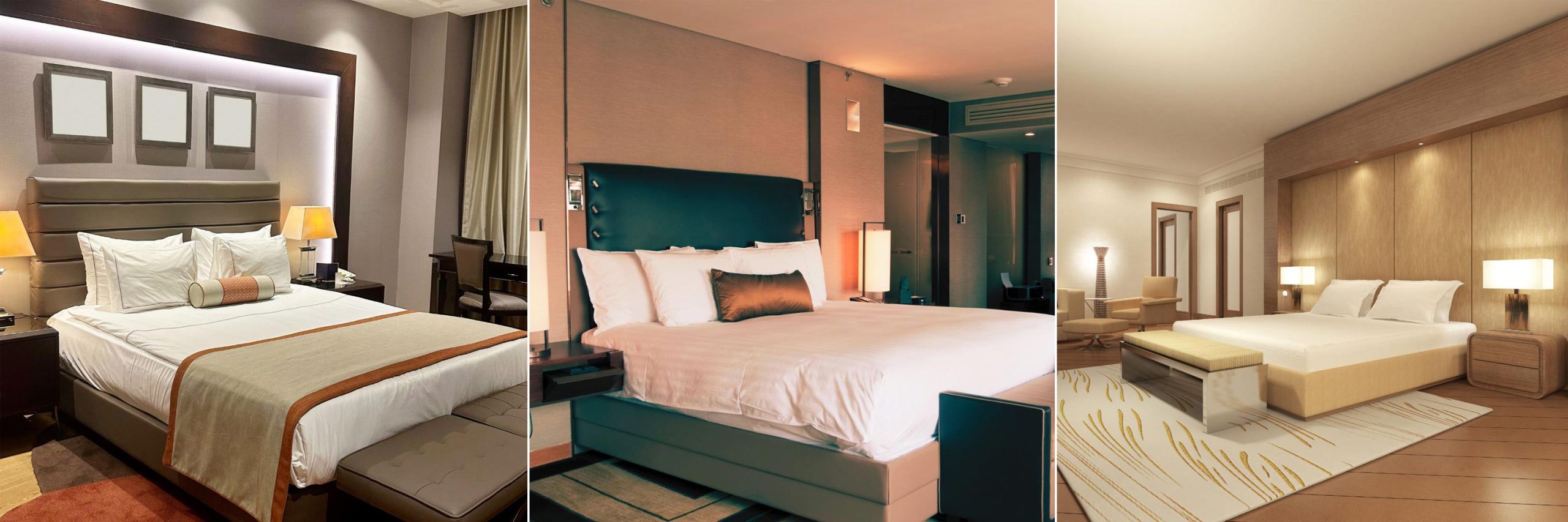
Copy has a similar effect. Vague language such as “luxury,” “stunning views,” or “unique experience” does not differentiate. It signals that the hotel is relying on familiar phrases rather than communicating something specific. When everything sounds the same, the guest defaults to comparison, and comparison leads back to price.
Structure and flow matter in the same way. If the experience feels disjointed, if key information is hard to find, or if the narrative lacks direction, the impression is one of inconsistency. Not necessarily poor quality, but a lack of clarity. That lack of clarity translates into hesitation.
Misaligned typography, uneven spacing, outdated elements, or abrupt transitions between sections all signal that the experience has not been carefully considered. These are not things a guest will consciously identify, but they influence how much confidence they place in the property.
The more common problem is not a website that looks obviously wrong. It is one that looks broadly acceptable, which places the hotel in a comparable frame rather than a premium one. Comparable means the guest is weighing options. And once they are weighing options, the conversation has shifted from value to price.
What matters is not any single element, but how they work together. A website feels premium when everything is aligned, with visuals, tone, pacing, and structure reinforcing the same level of quality. When they do not, the hotel is no longer being judged on what it is. It is being judged against what else is available.
The Website as a Pricing Argument, Not Only a Design Project
Most website discussions are framed as design decisions, brand exercises, or usability improvements. These things matter, but they are not the primary role of a hotel website. The more accurate framing is commercial.
A hotel website is not there simply to look good. It is there to make the experience feel real enough, clear enough, and compelling enough for the price to make sense. It translates the product into something the guest can understand and believe in before they are asked to commit.
This is where the gap between perception and performance becomes visible. If the website does not support the rate, the guest does not reject the hotel outright. Instead, they adjust their behaviour. They spend more time comparing, they look more closely at alternatives, and they become more sensitive to small differences. Nothing breaks in a measurable way. There is no clear signal in the data. The demand simply never reaches you.
This is the part many hotels underestimate. Revenue management focuses on the bookings that happen, but it cannot account for the bookings that were possible but never materialised. Two hotels can operate at the same price point with similar products, but the one that communicates its value more clearly will convert that demand more consistently.
In that sense, the website is not a design layer. It is part of the pricing model itself. A weak website makes pricing fragile, increasing reliance on favourable demand conditions and exposing the hotel to constant comparison. A strong one allows pricing to hold with less resistance, because the value is already understood before the rate is evaluated.
Rebuilding a website is therefore not a discretionary upgrade. It is a decision about how effectively a hotel can compete at its chosen price point. Design, copy, and storytelling are not aesthetic choices in this context. They are components of a pricing argument, and they either support the rate or leave it exposed to comparison.
Where Sequencing Matters
It is possible to raise your rates without changing your website. In strong demand periods, or in constrained markets, pricing can move ahead of perception and still hold, at least in the short term. But that approach has limits.
When the rate moves ahead of what the website supports, the impact shows up elsewhere. Conversion becomes more fragile. Guests take longer to decide. More traffic leaks into comparison and alternative options. Occupancy may hold, but it often requires stronger demand conditions or increased reliance on third-party channels to sustain it.
In effect, the hotel is compensating for a perception gap.
This is why sequencing matters. When the website does the work first, when it establishes a clear and credible sense of value, pricing becomes easier to hold. The rate feels consistent with the experience being presented. The guest is not being asked to make a leap. When the sequence is reversed, pricing becomes a negotiation. The guest needs more reassurance. They compare more actively. They become more sensitive to alternatives.
Over time, this creates a ceiling. Not because the market will not support a higher rate, but because the presentation does not. For boutique hotels, where positioning is often more nuanced and less standardised, this sequencing becomes even more important. The website is not just reflecting the product. It is shaping how that product is perceived and valued.
What Your Website Actually Needs to Do
A high-performing hotel website is not defined by any single element. It is defined by how consistently it communicates the same level of value across everything the guest sees.
This is where many projects go wrong. Improvements are made in isolation. New photography is introduced, but the copy remains generic. The design is refined, but the narrative is unclear. Individual components improve, but the overall impression does not shift enough to support a higher rate.
For boutique hotels, the requirement is not complexity. It is alignment.
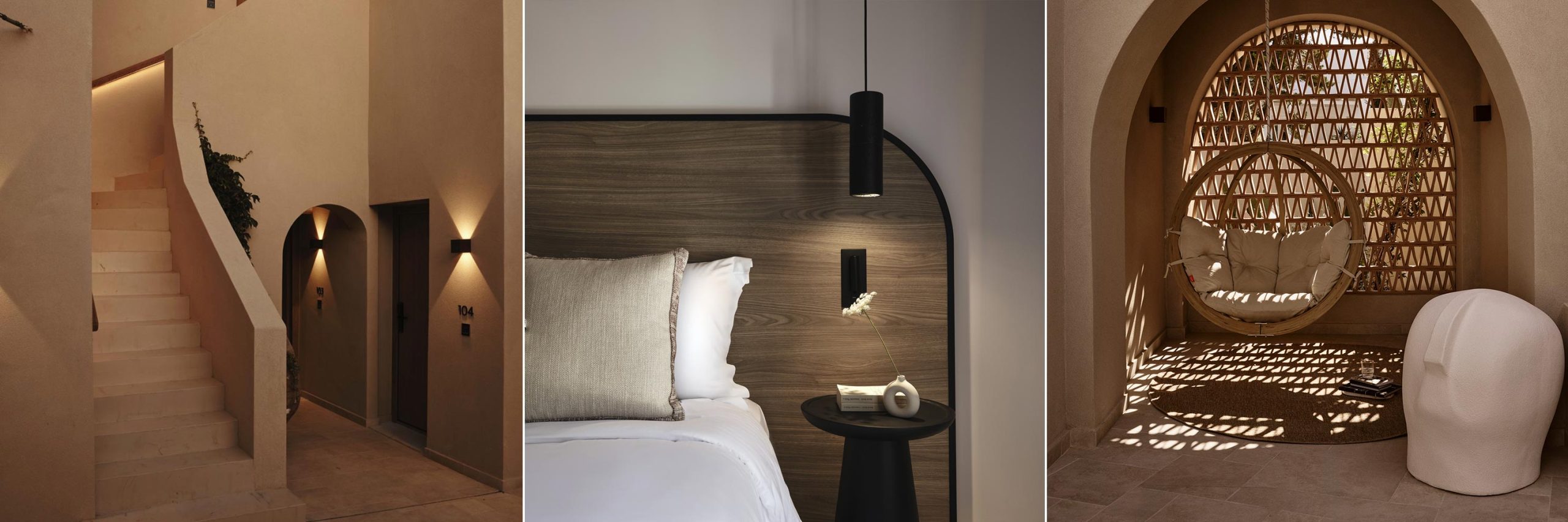
Photography needs to do more than document the space. It needs to communicate atmosphere. Light, materials, scale, and detail all contribute to how the guest imagines the stay. Generic or interchangeable imagery reduces that clarity. Over-processed or artificial visuals undermine it. The objective is not perfection, but credibility.
Copy plays a supporting role, but an important one. It should not describe what is already visible. It should add specificity and reinforce positioning. When the language is vague, the experience becomes vague. When it is precise, the experience becomes more believable, and therefore more valuable.
Structure and pacing shape how the story is absorbed. A clear flow allows the guest to build understanding gradually, without effort. If the experience feels fragmented or overly dense, attention drops and confidence follows. The goal is not to present everything, but to present the right things in the right order.

A hotel website does not end at the click through to the booking engine. From the guest’s perspective, it is one continuous experience. When that transition feels like a downgrade, the perception built up to that point starts to unravel.
This is a common failure point. A well-crafted website that supports a premium rate is often connected to a booking engine that feels generic, outdated, or disconnected from the rest of the experience. The shift is immediate. What felt considered and high-value moments earlier now feels transactional and standardised. At that point, the guest pauses. Not necessarily because of the price, but because the confidence behind it has weakened.
For hotels operating at higher ADR levels, this matters more. The expectation is not just a smooth transaction, but a consistent experience. If the booking process does not match the quality of the website, the perception gap reappears at the exact moment it needs to hold.
None of this requires an unlimited budget, but it does require clear prioritisation. Many hotels invest heavily in visibility through paid media or social content while underinvesting in the environment where that demand is ultimately evaluated. The result is an imbalance. Attention is created, but not fully captured.
A strong website does not need to do everything. It needs to do the right things consistently. When visuals, tone, structure, and functionality all reinforce the same level of quality, the guest does not need to question the price.
The Pricing Layer Nobody Manages
ADR is often treated as a pricing outcome. Something to be adjusted, tested, and optimised through revenue management. But it does not operate in isolation. The rate a hotel can sustain is shaped by how clearly its value is understood before the guest ever reaches the booking stage. That understanding is built through the digital experience, and for boutique hotels, the website remains the most controlled and complete expression of that experience.
This is not an argument against revenue management, nor a claim that design alone can increase ADR. Strong demand, clear positioning, and a well-defined product still matter. But when those elements are in place, the website determines whether that value is recognised or discounted.
A website that aligns with the product allows pricing to hold with less resistance. One that does not introduces friction that shows up in more subtle ways: increased comparison and reduced confidence at the point of booking. Over time, these behaviours shape performance just as much as pricing decisions do.
The commercial case is not theoretical. Properties that have rebuilt with this in mind, with visual consistency, clear storytelling, and stronger direct booking confidence, have seen material revenue movement following launch.
A hotel’s location and design largely set the potential. The website determines how much of that potential is realised. What matters is whether the experience it presents is strong enough, consistent enough, and clear enough to support the price being asked.